
Interior and Exterior Painting
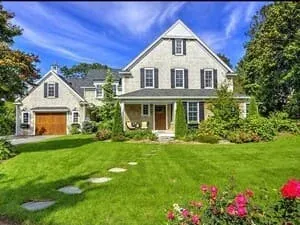
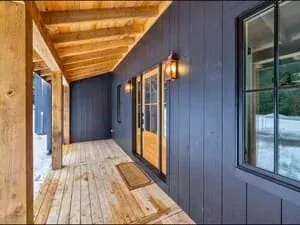
Exterior painting on Cape Cod is mostly not painting. It is washing, scraping, drying, filling, sanding, caulking and priming, and then a comparatively short time with a brush. The finish coat gets the credit and the preparation decides how long it lasts. We paint inside and out, and the two halves of the work sit at opposite ends of the calendar for reasons that have more to do with the weather off the water than with our schedule.
Preparation is the job
Start with the salt. A wall within reach of the wind carries a fine salt film, and paint will not bond through it. Washing is not a cosmetic step on a coastal house, it is an adhesion step, and it has to be followed by enough dry days that the water it put into the wood comes back out again. The same wash deals with the mildew that grows on the shaded elevations. Painting over mildew hides it for one season and feeds it for the next.
Then scrape back to sound material and feather the edges, because a hard ridge of old paint telegraphs straight through a new finish and is the first place the next failure starts. Bare wood gets spot primed the same day it is exposed rather than left open over a weekend. Fill and sand. Then caulk, carefully and selectively: the joints that should be sealed are the ones that would otherwise let water in and hold it, and the ones that should be left alone are the horizontal laps and bottom edges a wall needs in order to drain and dry. Caulking the bottom edge of a clapboard is one of the most common ways to trap water inside a wall that was working perfectly well.
The rule underneath all of it is that a wall which cannot dry from behind will push paint off no matter what is in the can. If we find a wall failing in a pattern rather than at random, we go looking for the water source before quoting more coats.
Moisture decides whether paint stays on
Wood takes on water and gives it back slowly. A wall that was rained on yesterday can feel dry to a hand this morning and still be well above the moisture content a coating needs. Paint applied over that seals the water in, and the first hot, sunny week drives it back out as blisters. The reason a job goes wrong is very rarely the paint.
Cape mornings add a second layer: fog and heavy dew. The surface has to be above the dew point and it has to stay there while the coating flashes off, which in practice means waiting for the dew to burn off in the morning and stopping early enough in the afternoon that the last section cures before it falls again. In late September that usable window is a good deal shorter than it looks from indoors. It is also why an afternoon that felt warm can still leave a wall with a poor film, if the night that followed it was cold.
The two real exterior windows
Late spring, from the point when the nights stay reliably mild into June, is the first window. Early autumn, through September and into October, is the second and is often the better of the two: the humidity has dropped off, the light is kinder on a wall, and the seasonal houses are emptying out just as the crews free up.
July and August are technically possible and practically awkward. The roads are full, deliveries take longer, and the house itself is usually full of people who would like to use their own deck. Heat is a real problem too, not only a comfort one, because a coating that flashes off too fast on a hot, sunny elevation never levels properly and never develops the film it was formulated to make. Work on that wall moves to the shaded part of the day, which cuts the hours available in the busiest weeks of the year.
At the other end, coatings carry a minimum application temperature and, more importantly, a minimum surface temperature that has to hold while the film cures. A warm afternoon in November followed by a cold night is not a painting day, it is a callback. We stop when the nights stop cooperating rather than pushing one more elevation into the wrong month.
The 1978 line, and why it matters on this Cape
Most of the housing stock around Centerville went up between the 1950s and the 1990s, which puts a great deal of it on the wrong side of 1978. Housing built before that year is presumed to contain lead paint, and the EPA's Renovation, Repair and Painting rule governs how that paint may be disturbed: a contained work area, plastic down and up, no open-flame burning, no uncontained power sanding, HEPA cleanup, and the work performed by a firm certified for it.
The rule is not about whether the house looks fine, or whether the old paint is buried under three later coats. It is about the dust that scraping and sanding make, where that dust lands, and who is in the garden. The practical consequence is that preparation on a pre-1978 house takes longer and costs more than preparation on a house built in 2005, and it should. When an estimate for an older Cape house comes in conspicuously below the others, the prep line is usually where the difference went. Ask anyone quoting your exterior how they intend to contain it, and ask to see the certification — from us or from anybody else.
Interior work belongs to the winter
The inside of the house runs on the opposite calendar to the outside. From November through March there is no exterior window worth chasing, the seasonal houses are empty, and the interior trades are the ones with room to move. That is also when the rest of the interior work happens here, so paint usually falls in behind a kitchen, a bath, a finished basement or a run of drywall repairs rather than standing on its own.
Cold does not stop interior painting, but an unheated house does. Coatings need warmth to cure and some air movement to carry the moisture away, so a seasonal house held at a low winter set point gets brought up and kept there for the duration rather than heated for the working day and dropped overnight. If a house has been closed and damp, it gets aired and warmed before anything is opened, not after.
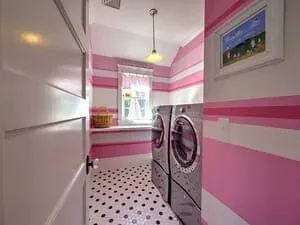
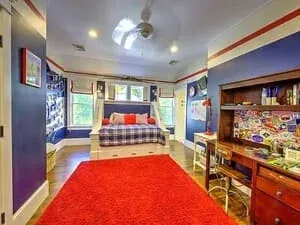
The order of work indoors is the same discipline as outdoors: repairs and skim coats first, then sand and dust down properly, then prime the repairs so they do not flash through the finish, then cut and roll. On an older Cape house with plaster walls the repair stage is usually the long one, and quoting it honestly up front is the difference between a two-week job and a two-week job that took four.
Questions people actually ask
- How often will I need to repaint on the Cape?
It varies by wall, not by house. The south and west elevations take the sun and the weather and almost always go first, sometimes years before the sheltered sides show anything at all. A house within sight of the water tends to lose one or two walls while the rest are still sound. That is why we quote by elevation where it makes sense: repainting a whole house because one wall failed is a waste of your money and a poor read of what is actually happening.
- Can you paint just one side of the house?
Yes, and it is often the sensible option. Two things to expect. Colour: a can mixed to the original formula will not match fifteen years of weathered film, so the fresh wall reads brighter until it settles. Sheen: new paint is glossier than old paint for a season or two. Where a corner makes the join obvious, we will suggest carrying the work to a natural break line rather than stopping exactly where the damage stops.
- Should I paint my cedar shingles or leave them to weather?
Going from natural to painted is a one-way decision. Once a cedar wall is painted or solid-stained it stays that way, because getting back to a clean natural surface means stripping or replacing it. A natural wall can be left to silver, or carried with a semi-transparent stain that slows the process without sealing the surface. If you like the grey, the cheapest maintenance plan on a cedar house is to wash it occasionally and otherwise leave it alone.
- Is it ever too cold to paint outside here?
Yes. Coatings state a minimum application temperature and a minimum surface temperature that has to hold while the film cures, and on the Cape the limiting factor is usually the night rather than the day. A mild November afternoon followed by a cold, wet night can leave a soft, poorly formed film that fails the following summer. Dew and frost do the same thing. We stop the exterior season when the overnight numbers stop cooperating.
- My house is from the 1960s. What happens about lead paint?
Anything built before 1978 is presumed to contain lead paint, and the EPA's Renovation, Repair and Painting rule sets how it may be disturbed: contained work area, no open-flame burning, no uncontained power sanding, HEPA cleanup, and a firm certified for that work. It applies to the preparation stage, which is where the dust is made. Expect prep on an older house to take longer, and ask any contractor quoting the job how they plan to contain it.
Related work
- Roofing and siding
Roofing and siding on Cape Cod from a Centerville contractor: salt air, driven rain, cedar exposure, ice dams on dormers, and storm damage handled honestly.
- Drywall and repairs
Drywall repair and home maintenance on Cape Cod - cracks, nail pops, ceiling stains, storm damage, and exactly what a first call looks like.
- Home remodeling
Whole-house remodeling on Cape Cod, in homes built between 1950 and 1990: old wiring, missing insulation, settled floors and the pre-1978 lead rule.
Tell us what the house needs
Call and describe the job. If it is something we do, you will get a straight answer about how it works and what happens next. If it is not, we will say so.