
Landscaping and Grounds Care
Landscaping in Centerville, MA, is mostly ongoing work rather than a single project: lawns, beds, hedges, irrigation and the clean-ups at either end of the season, all belonging to the same job. Grounds care rewards continuity. The second year on a property is always better than the first, because by then we know which bed floods in March, which hedge the wind burns, where the septic field runs and when you actually arrive. Landscaping is one of the three things this company has said it does since it took the name Complete Home Group in 2014, alongside construction and property management.
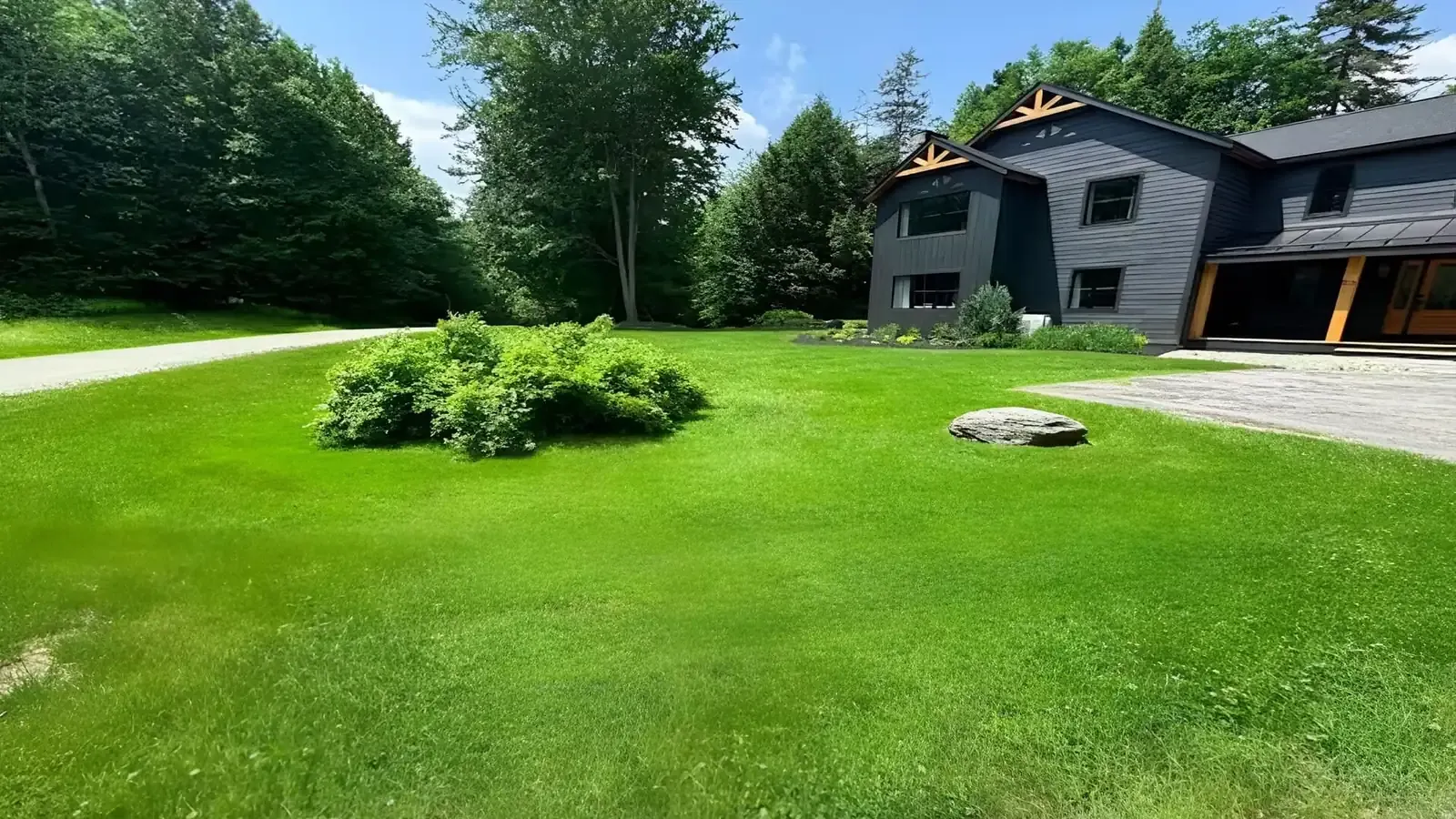
What a season looks like here, start to finish
Spring clean-up comes first, usually late March into April. The winter's leaf and branch litter comes off the beds, the perennials that were left standing through the winter get cut back, the lawn gets its first cut and a proper edge, and the irrigation is brought up and tested. That test matters more than it sounds: a backflow device that failed over the winter is found on the first day of the season or on the day the lawn dies.
May and June are the growth spike, when the lawn is cut weekly and the beds get weeded before the weeds get ahead. July and August turn into water management, and the mowing height goes up rather than down, because longer grass shades its own roots and holds moisture in sandy soil. This is also when the property is full of people, so the schedule works around the house rather than the other way round.
September and October are the best weeks of the year for lawn work on the Cape. The soil is still warm, the nights have cooled, and weed pressure has dropped, which makes early autumn the right time to aerate and overseed rather than fighting the same job in May. Bulbs go in. The leaf passes start. November is the cut-back and the last mow, the gutters, and the irrigation blow-out, which has to happen before the first hard freeze rather than the first convenient week. Through the winter the grounds work is storm work: branches down, debris off the lawn, and a look at anything that shifted.
What survives the wind and the salt
Salt reaches a Cape garden in two ways, and they call for different answers. Salt spray is carried on the wind and burns the windward side of foliage, which is why a hedge browns on one face in March while the sheltered side looks untouched. People often read that as disease and reach for a spray. It is usually wind and desiccation, and the honest response is either shelter or a species that tolerates it. Soil salinity, nearer a marsh or a road that gets treated, is the slower problem and shows up in the roots.
The plants that hold up on an exposed Cape lot are mostly the ones that were already here: bayberry, beach plum, rugosa rose, inkberry, juniper, little bluestem and the native grasses. They take wind, sand and thin soil without complaint. The classic Cape hydrangea is worth its reputation but it has a real weakness, which is that a hard cold snap after a mild spell will kill next summer's flower buds on the older varieties while leaving the plant itself perfectly healthy. A bare hydrangea in July is nearly always that, not neglect.
And the question everybody asks: the blue is soil chemistry, not variety. Acidic soil makes aluminium available to the plant and the flowers come blue; sweeten the soil and the same plant turns pink. Cape soils are sandy and naturally acidic, which is why the blue is everywhere here and far rarer inland. Sandy soil also drains fast and holds almost no nutrient, so the real amendment is organic matter and compost, not another bag of fertiliser.
Irrigation, water restrictions and what runs off
The Cape's drinking water comes out of a single sole-source aquifer directly beneath us, and nitrogen reaching the estuaries is one of the defining environmental problems of the region. That is why the fertiliser question carries more weight here than it does inland: what goes onto a Centerville lawn does not leave the peninsula. We would rather feed a lawn less often and feed the soil instead, and on most properties that produces a better lawn anyway.
Outdoor watering restrictions are a normal part of a Cape summer, and the sensible response is to set the controller to whatever the restriction is rather than fight it. Deep and infrequent beats short and daily in any case: a lawn watered lightly every morning grows a shallow root system that cannot survive the first week the water is turned off. Early morning is the right window, because evening watering leaves the blade wet overnight and invites fungus.
Then the two dates that bracket the system. The backflow test in spring, and the blow-out in autumn before the first hard freeze. A missed blow-out is the most expensive routine failure in the whole of grounds care, because the damage is underground and you find it in April.
The septic field under the lawn
Most Cape properties sit on a private septic system under Title 5, and the leach field is usually the flattest, sunniest, most open part of the yard. That is exactly where people want to put a patio, a pool, a shed, a raised bed or a row of trees. Roots find the trenches, and a machine driven across a field can crush a distribution line without anyone hearing it happen.
So before anything is planted, parked or built on that part of a property, we look at the as-built card on file with the Board of Health. Grass over the field is the right answer, and keeping it mown, unshaded and clear of traffic is most of the maintenance. Know where the covers and risers are before you top-dress, and keep the reserve area clear too, because it is the part of the yard with nothing on the ground to mark it and the part a future septic upgrade will need.
Near the water, ask before you dig
Work within a hundred feet of a wetland, marsh, pond or coastal bank goes past the Barnstable Conservation Division, and the definition catches people out. Clearing brush, regrading, cutting a new bed, building a retaining wall or putting in a drive extension can all need a filing, even when the work itself is modest. A homeowner who says they are only putting in a garden is often describing something the town wants to see on paper first.
The filing is not usually the obstacle. The calendar is. Hearings run on a schedule, conditions come attached, and an erosion-control line or a planting plan may be part of the approval. Work that out in the winter and the spring is straightforward.
Arriving to a house that looks lived in
Grass grows whether or not anybody is in the house, and a property that has been left for six weeks announces it. An unmown lawn, a hedge that has broken its line and full gutters read as an empty house from the road, which matters for more reasons than appearance.
For a seasonal property the useful thing to give us is not a schedule, it is your arrival dates. We work backwards from them: the last cut and the edging land the day or two before you come, not the week after, and the beds are turned over before the first weekend rather than during it. If the house is being let, the same logic applies to the changeover days.
The other practical piece is that the grounds and the building are in the same company. When a gutter is overflowing into a flower bed, the bed is a symptom, and the same people who noticed it can look at the gutter.
Questions people actually ask
- Why is my hedge brown on one side only?
Almost always wind and salt spray rather than disease. Winter wind carries salt off the water and dries the windward face of an evergreen while the sheltered side stays green, so the damage has a clean directional line to it, which a fungus would not. The answer is either shelter on that side or a species that tolerates the exposure. We would look at the damage line before recommending any treatment, because spraying a wind problem achieves nothing.
- We are only on the Cape part of the year. How does that work?
We keep the property on its own schedule whether or not you are here, and we work the visible work backwards from your arrival dates. Give us the dates rather than a frequency: the last cut, the edging and the bed work land just before you come. Out of season the job changes shape, becoming clean-ups, storm debris, the irrigation blow-out and a look at anything that has shifted, rather than weekly mowing.
- When is the best time to seed or repair a lawn here?
Early autumn, roughly September into early October. The soil is still warm from the summer, the nights have cooled, rainfall is more reliable and the annual weeds that compete with new grass in spring have finished. Aeration and overseeding done then establish through the autumn and come into spring already rooted. Spring seeding does work, but it fights weed pressure and then runs straight into a dry July, which is a harder start on sandy Cape soil.
- Can I plant trees or build a patio over my septic field?
No on both counts. Tree and shrub roots find the trenches of a leach field, and weight or machinery over it can crush a line. The reserve area, which is the space set aside for a future system, has to stay clear too, and there is usually nothing on the ground to show where it is. The as-built card at the Board of Health shows both. We check it before planting or grading anywhere near that part of a property.
- Why did my hydrangeas come up pink this year?
Soil chemistry. The blue that the Cape is known for comes from aluminium being available to the plant in acidic soil; as the soil sweetens, that stops and the same plant flowers pink. Lime leaching out of a new foundation, a path or a masonry repair is a common cause of one bush changing while the rest stay blue. It is correctable, gradually, by acidifying the soil around the plant, but it takes more than a single season.
Where to check this yourself
Related work
- Pool construction
Pool construction on Cape Cod: gunite in a coastal water table, wetland setbacks and conservation filings, barrier code, and the calendar a July pool really runs on.
- Property management
Property management on Cape Cod for houses that sit empty: storm checks, freeze protection, closing and opening, and one keyholder who already knows the building.
- Decks
Deck building on Cape Cod, where salt air decides the hardware: fasteners and hangers, decking material, guard and stair code, and the Barnstable permit.
Tell us what the house needs
Call and describe the job. If it is something we do, you will get a straight answer about how it works and what happens next. If it is not, we will say so.